

By Destine Nde
Following the series of murders and violent protests in Willowmore over the festive season, which left community members traumatised and deeply concerned about their safety and security, the Sarah Baartman District Municipality (SBDM), in collaboration with the Dr Beyers Naudé Local Municipality, organised a campaign aimed at addressing these concerns and empowering community members with vital knowledge and skills regarding public health and safety.
The campaign took place over two days, on 29 and 30 January, and brought together numerous different state and non-state stakeholders and role players. Participants included representatives of the Department of Home Affairs (DHA), Department of Economic Development, Environmental Affairs and Tourism (DEDEAT), South African Police Service (SAPS), Department of Justice and Constitutional Services (DJ&CS), Department of Education (DOE), Community Police Forum (CPF), Department of Social Development (DSD), Legal Aid South Africa, National Prosecuting Authority (NPA), Department of Sport, Recreation, Arts and Culture (DSRAC), Department of Health (DoH), Department of Community Services and the Automotive Industry Development Corporation (AIDC).
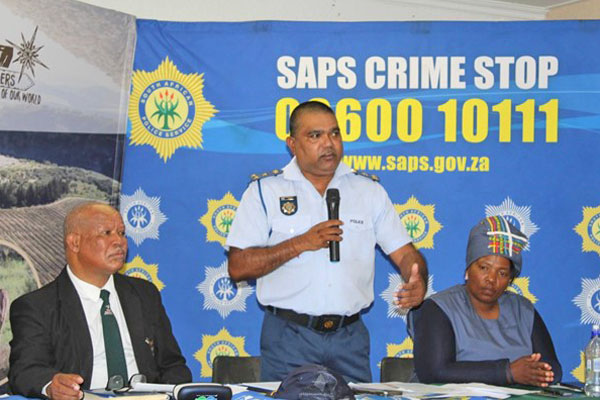
Given the severity of the crimes, and the violent protests that ensued in reaction to them, this seemed like an appropriate response. However, the results were not very satisfactory. Perhaps unrealistically, the community expected a a major breakthrough with the respect to the murders, that stricter by-laws or better crime prevention policies would be put in place, and that some drug lords and their gangs would be busted. But this did not happen.
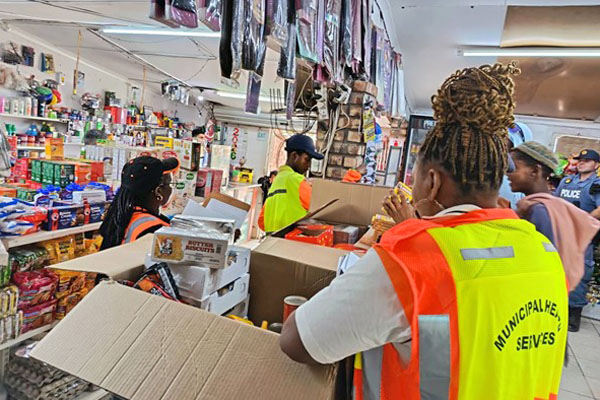
Instead, a combined task force conducted a ‘Blitz Operation’ focusing on spaza shops, aimed at checking on compliance. Shops were ransacked and some of their employees arrested for not having work permits, while their owners were harangued for unhygienic practices. For a campaign organised chiefly to prevent crime and promote safety, this seemed inappropriate.
On the Friday morning, the Hillview Community Hall was packed with disgruntled community members and anxious representatives of various government departments and other stakeholders. It was a community imbizo; in other words, an open question-and-answer session about crime and safety, which allowed residents to raise their fears and concerns directly with the relevant authorities.
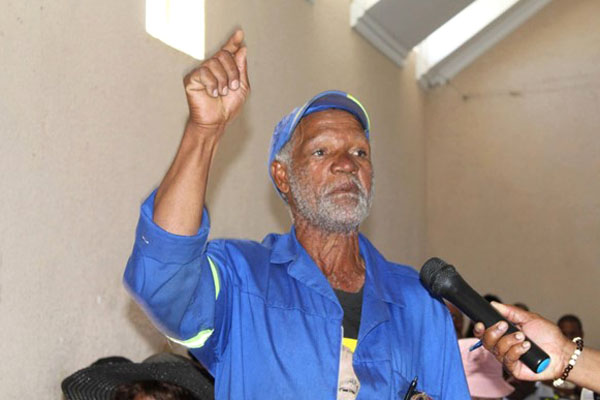
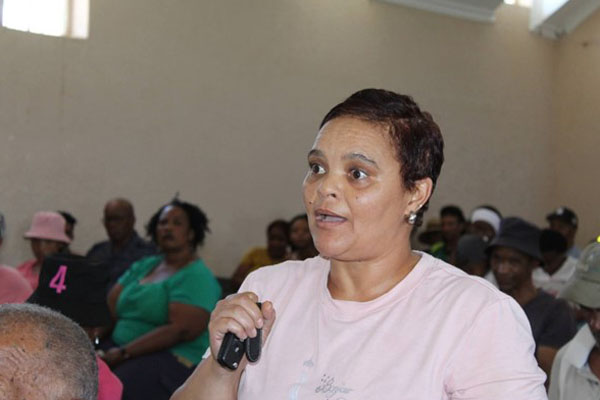
It was a heated exercise. Residents complained bitterly about the escalation in violent crime, the profusion of drug dealers and users, the lack of arrests and convictions, and the staggering rates of unemployment. They also pointed out that their freedom of movement had been curtailed, leaving them scared and anxious.
Govermment officials provided explanations where possible, and also promised that unresolved matters would be followed up and feedback provided. A central message was that crime and criminals would not be allowed to rule communities.
They also emphasised that in order to achieve safer towns, a collective effort was needed — that the government, community organisations and residents should work together to restore trust, dignity and hope. Thus collaboration, accountability and continuous engagement were posited as key pillars in the fight against crime.
On the first day of the campaign, a wide range of services on wheels were delivered directly to the community at the Willowmore Sports Ground, while others went into the community to render services to those who needed them.
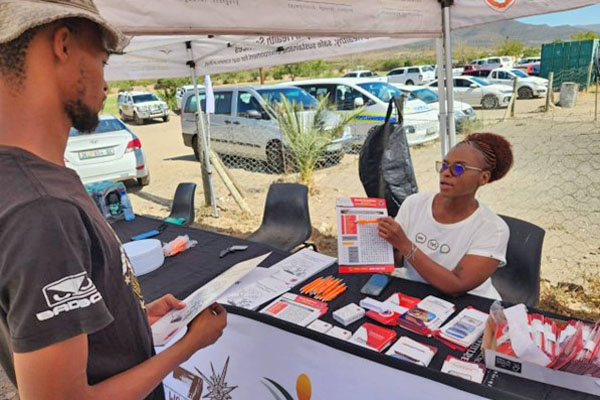
Traffic officers educated the public on road safety, focusing on responsible behaviour, especially when it came to speeding and driving under the influence of alcohol. They also emphasised the importance of resting before travelling.
Police officers engaged community members on vital social issues such as gender-based violence, drug and substance abuse, human trafficking, sexual harassment and cyberbullying.
DEDEAT educated the public on the Consumer Protection Act, raising their awareness of consumer rights and the National Environmental Management Act, casting light on issues such as illegal hunting, illegal clearing and illegal development.
Legal Aid South Africa provided free legal assistance to eligible community members, and offered free advice to others. Disaster Management was also tackled. Awareness of fire services, environmental health, and water and sanitation were raised.
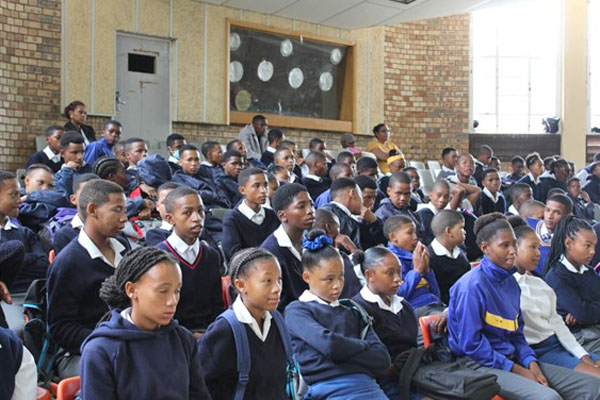
The SBDM’s Infrastructure and Community Services Department visited Willowmore Secondary School to educate learners on disaster awareness, prevention and preparedness. They were also taught how to prevent water wastage, because ‘water is life’. A quiz was held, and learners who gave correct answers received prizes. Generous gifts were donated to the school to enhance their hygiene and sanitation.
The Automotive Industry Development Corporation (AIDC) and SBDM visited local mechanics and automotive traders to promote the Automotive Aftermarket Support Programme, with the aim to support and empower small businesses in the sector.
Some residents were cynical, regarding the campaign as little more than a pre-election PR exercise. However, others acknowledge that a significant effort has been made. What remains now is to see whether it will have positive results. Above all, the campaign underlined that crime prevention and community safety should not be regarded as the government’s responsibility alone, and that communities themselves need to play an active role.
In the face of such an onslaught of criminal activity it must be so hard for local residents NOT to feel completely powerless. Perhaps these forums, as well as delivering informative speeches, should allow some think tanks where local residents share their ideas as to what might be done in their own streets?